
Last updated September 10, 2026
Full 25-point door and opener safety check with every visit - springs, cables, rollers, tracks, and your LiftMaster or Chamberlain opener included
You get a price before we start. It does not change when the truck arrives.
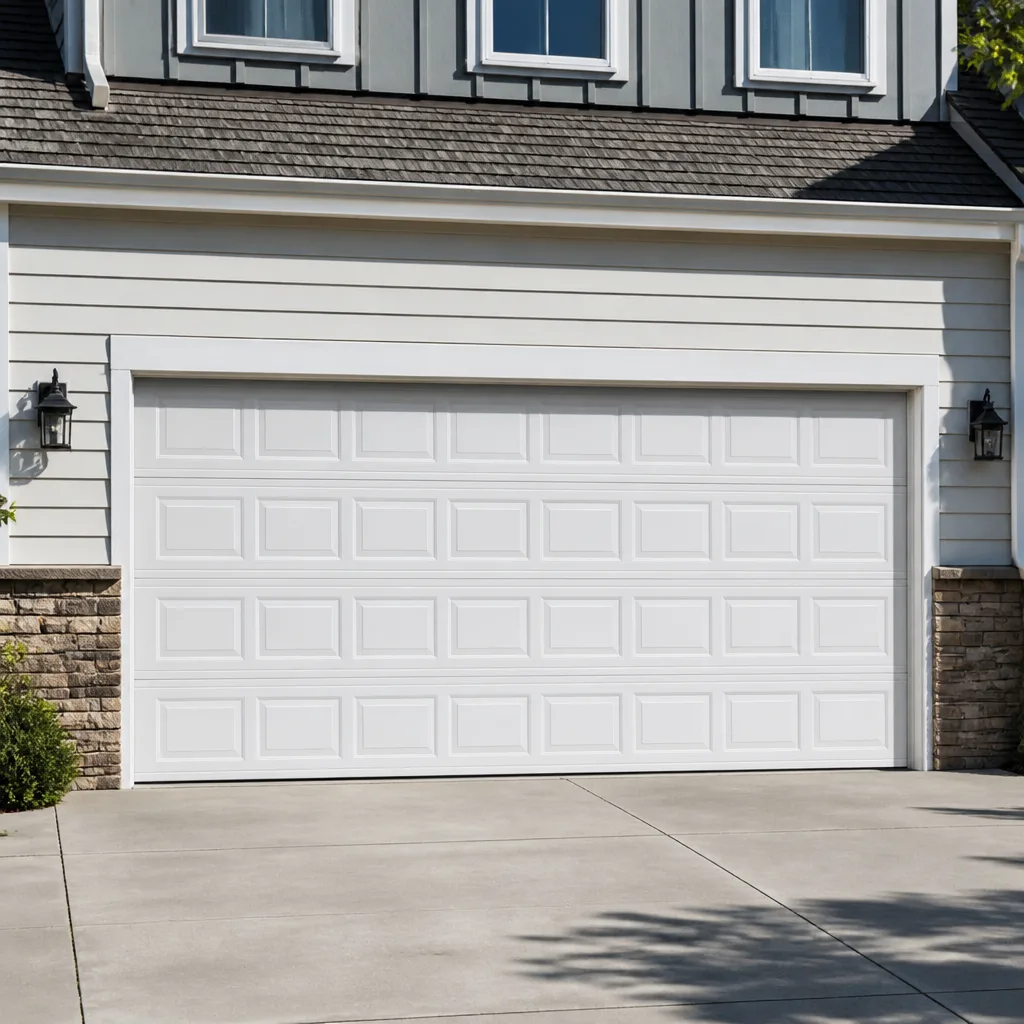
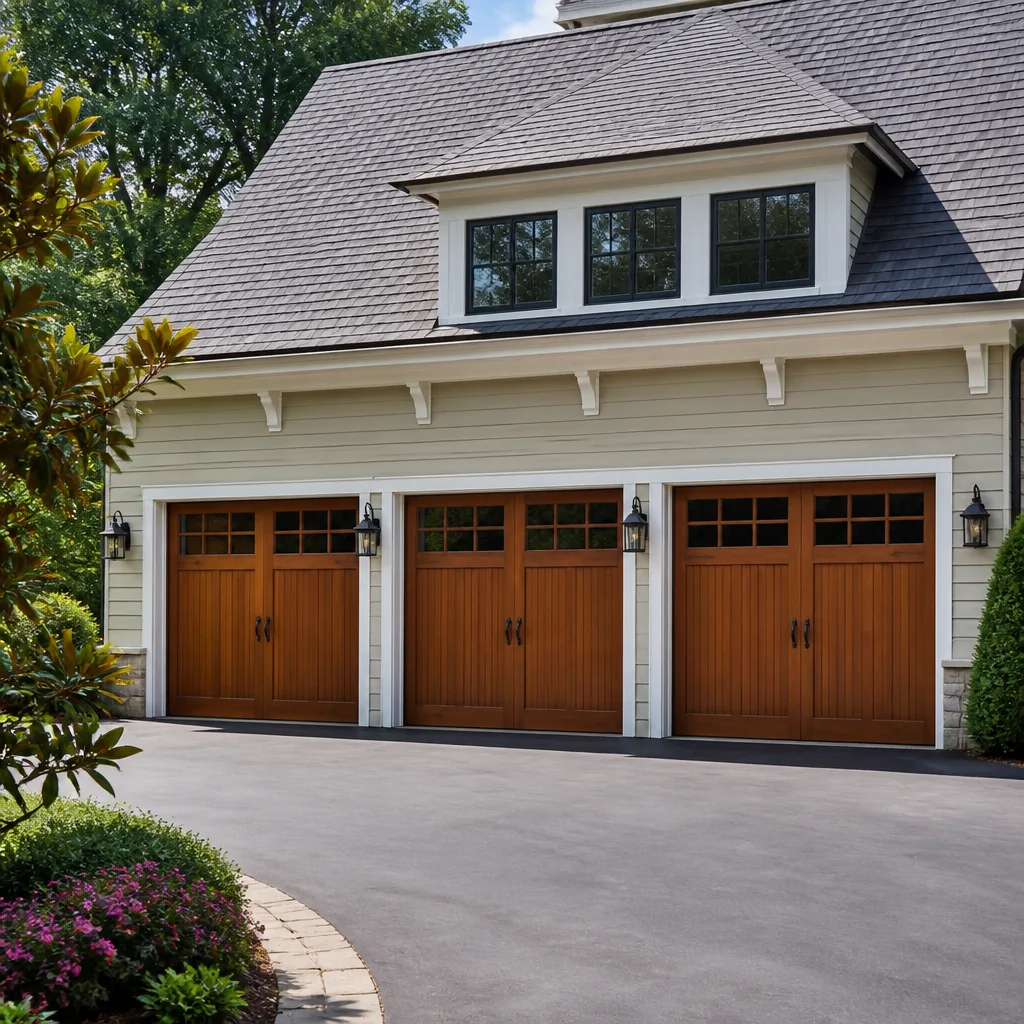
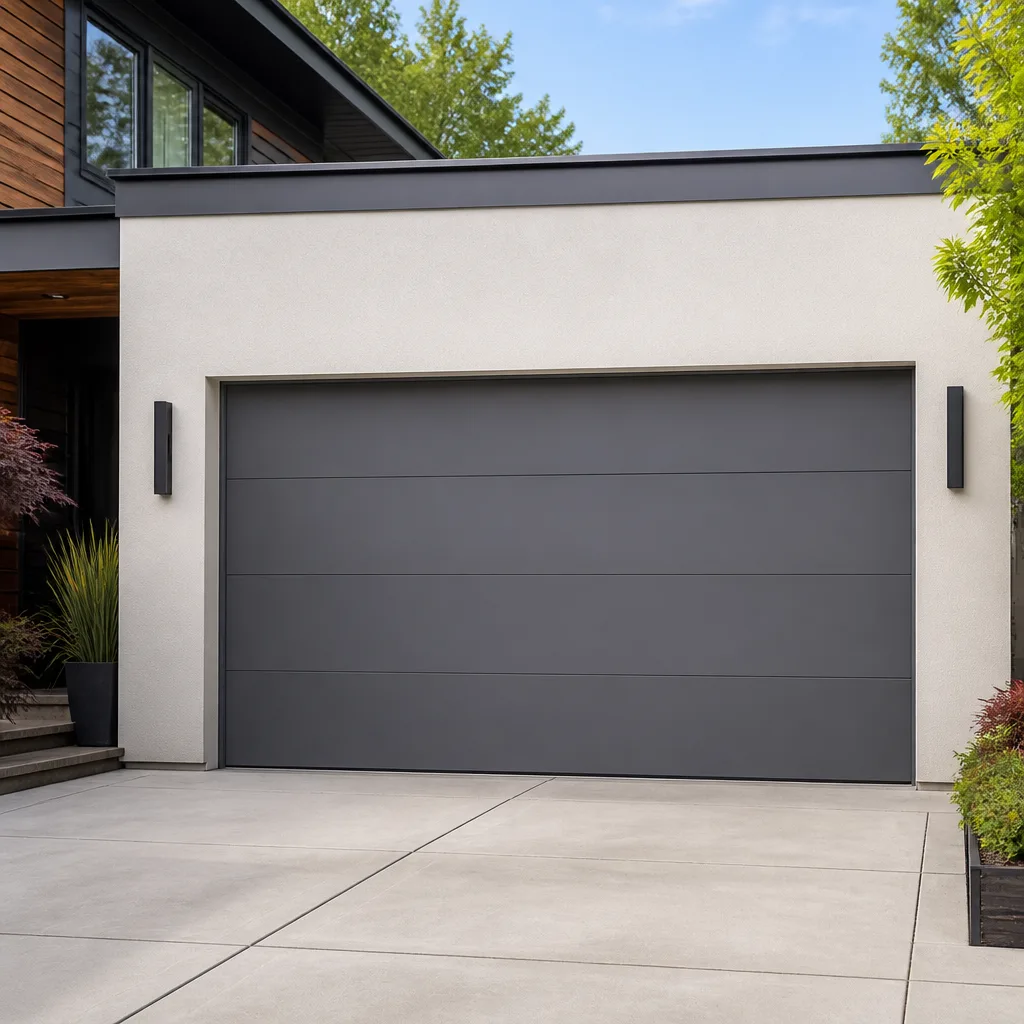
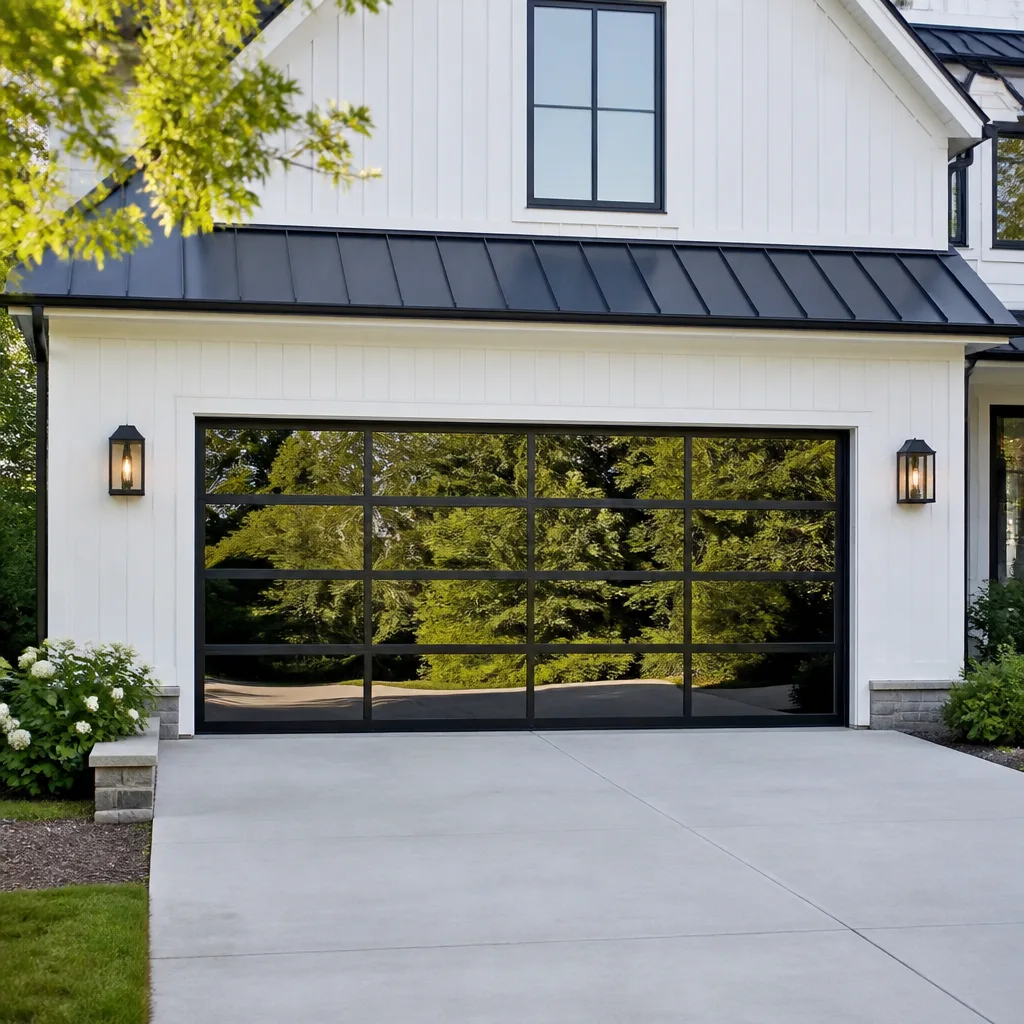
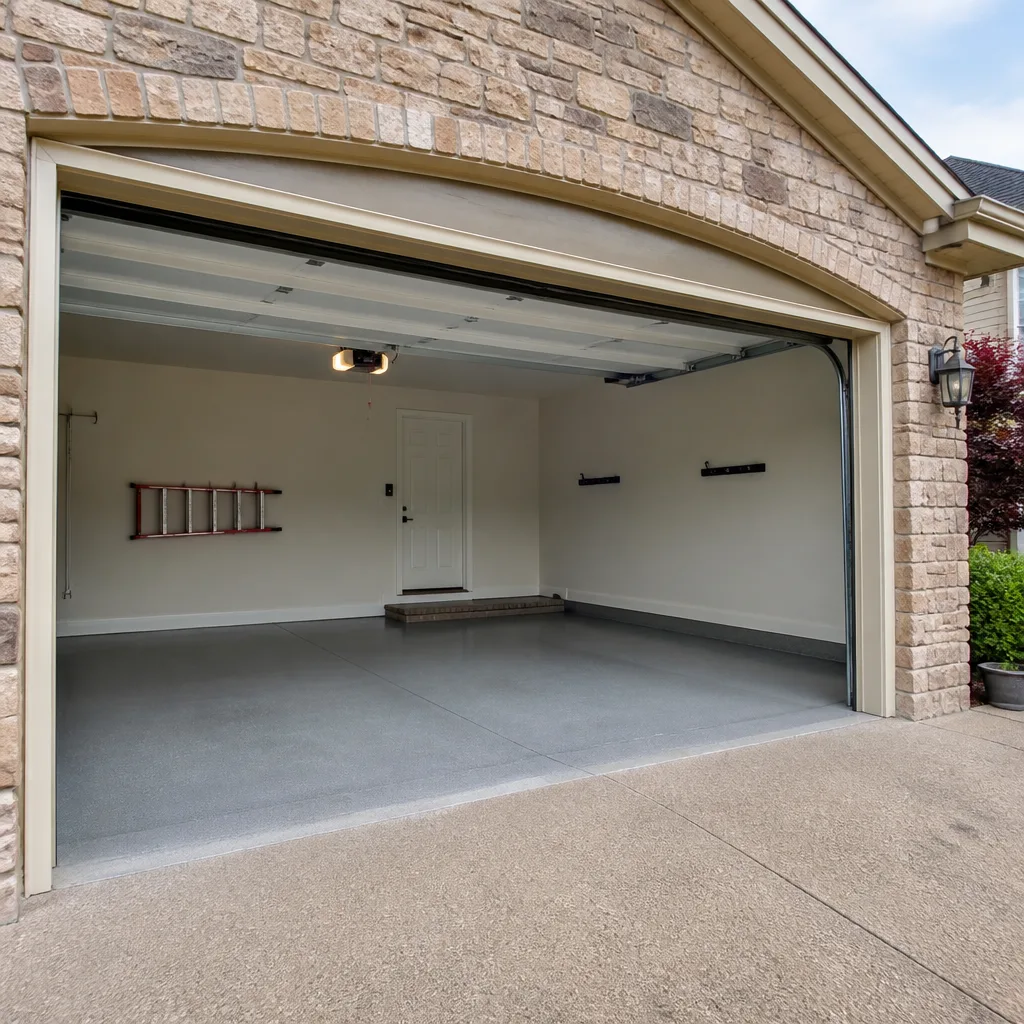
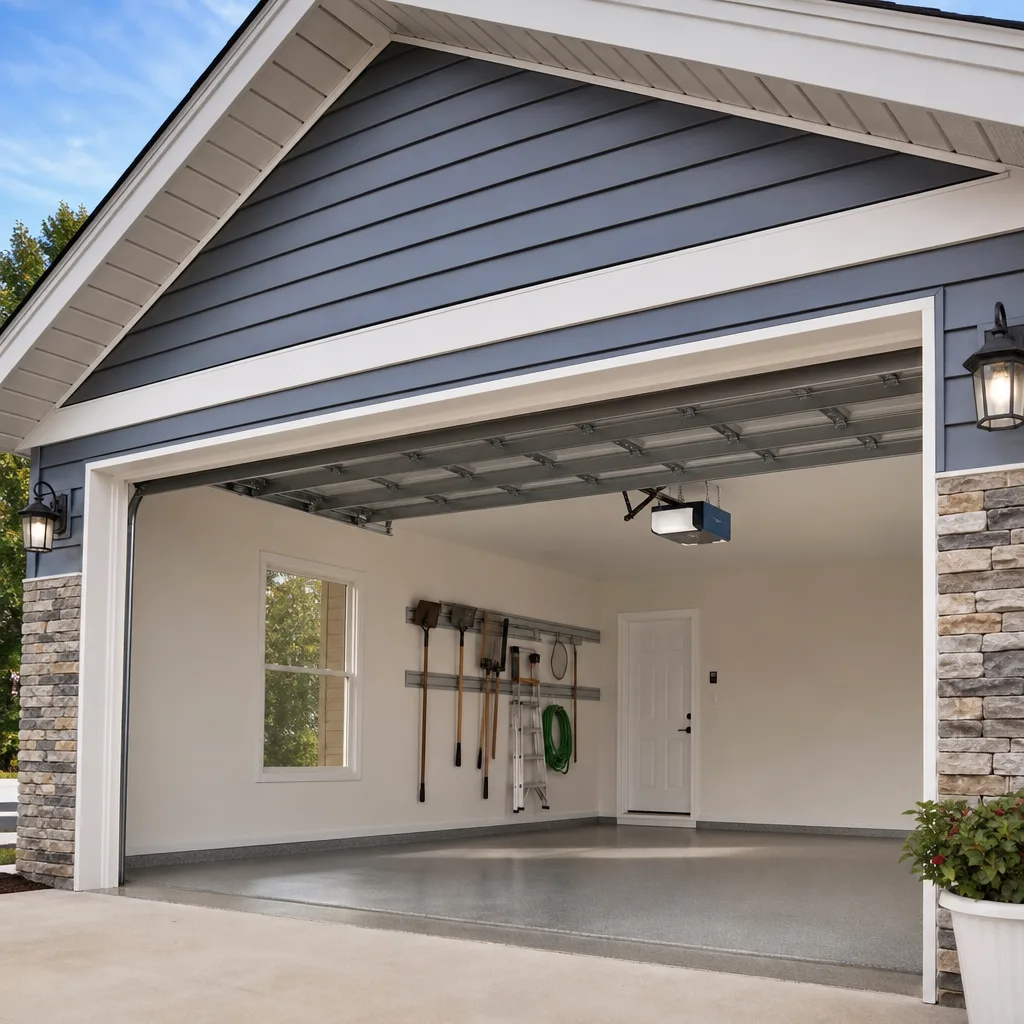
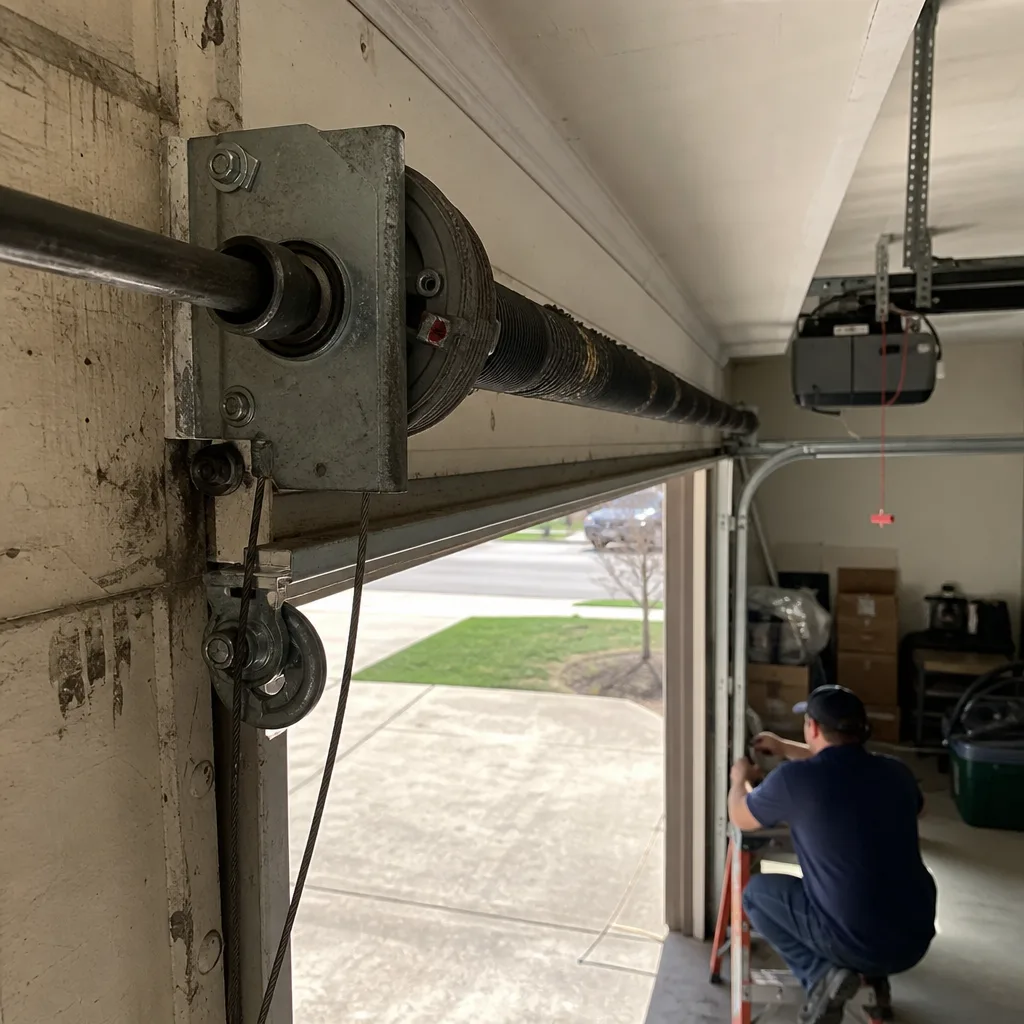 Before
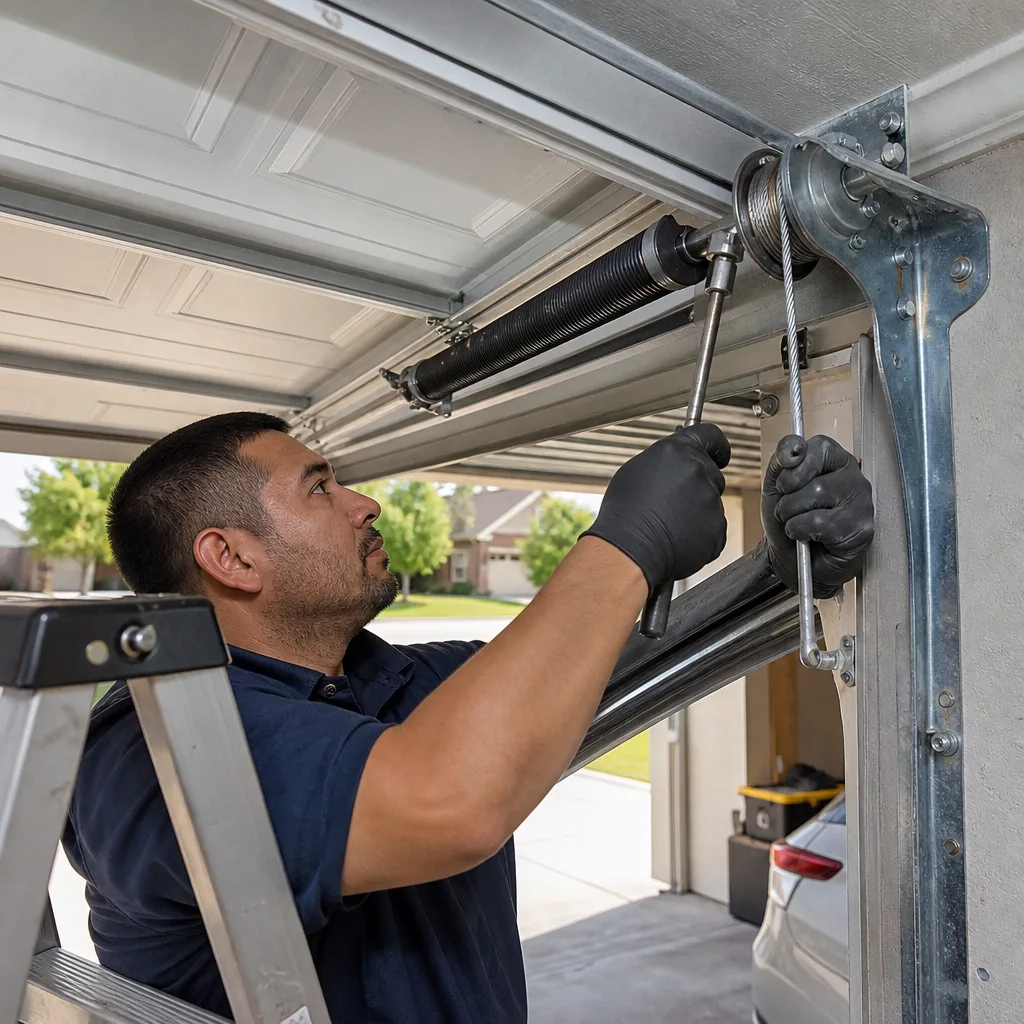 After
After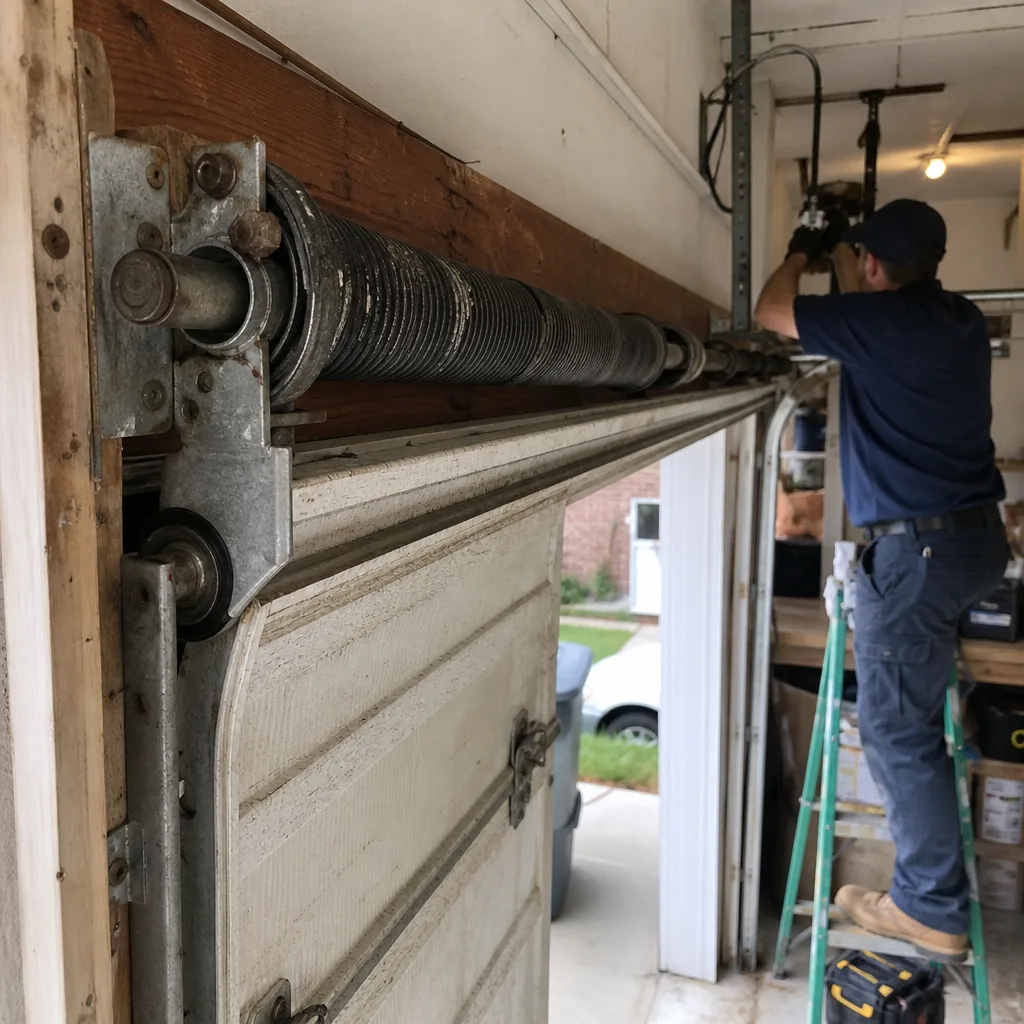 Before
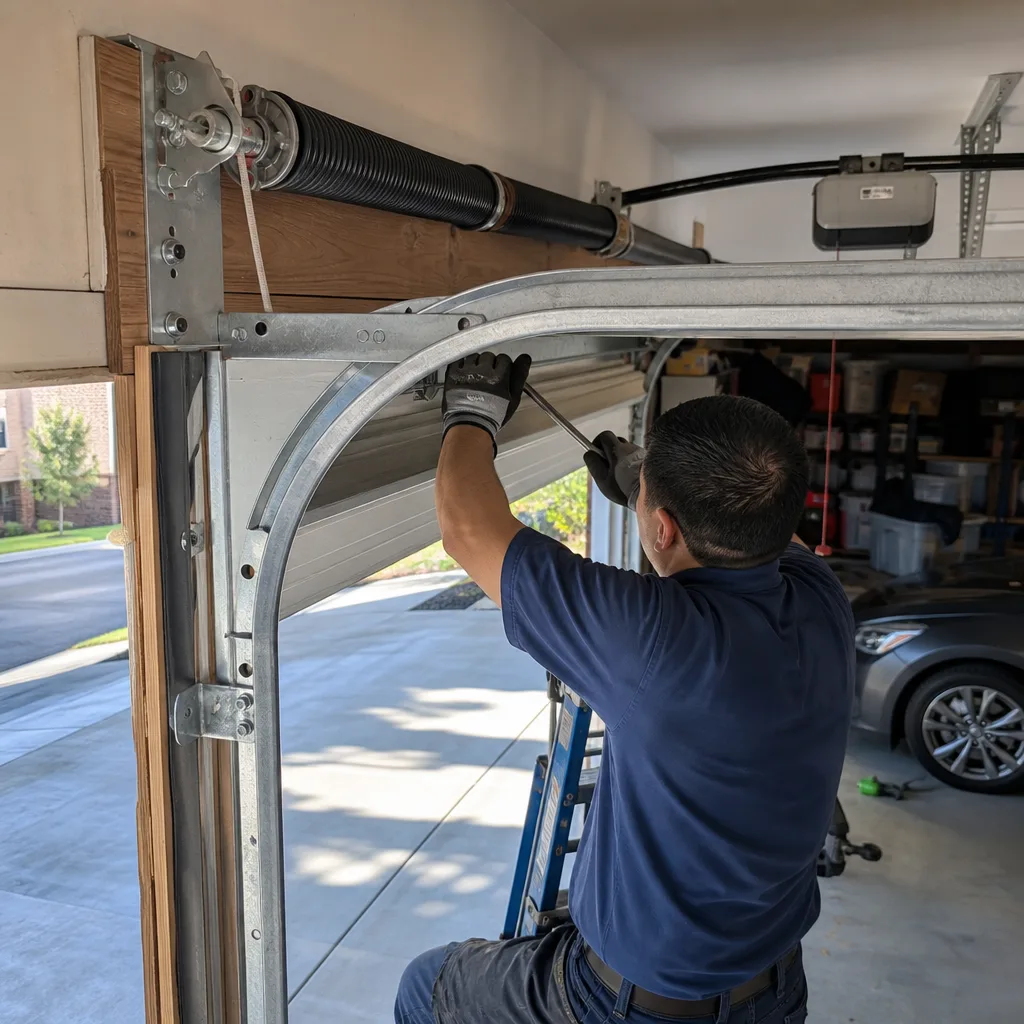 After
After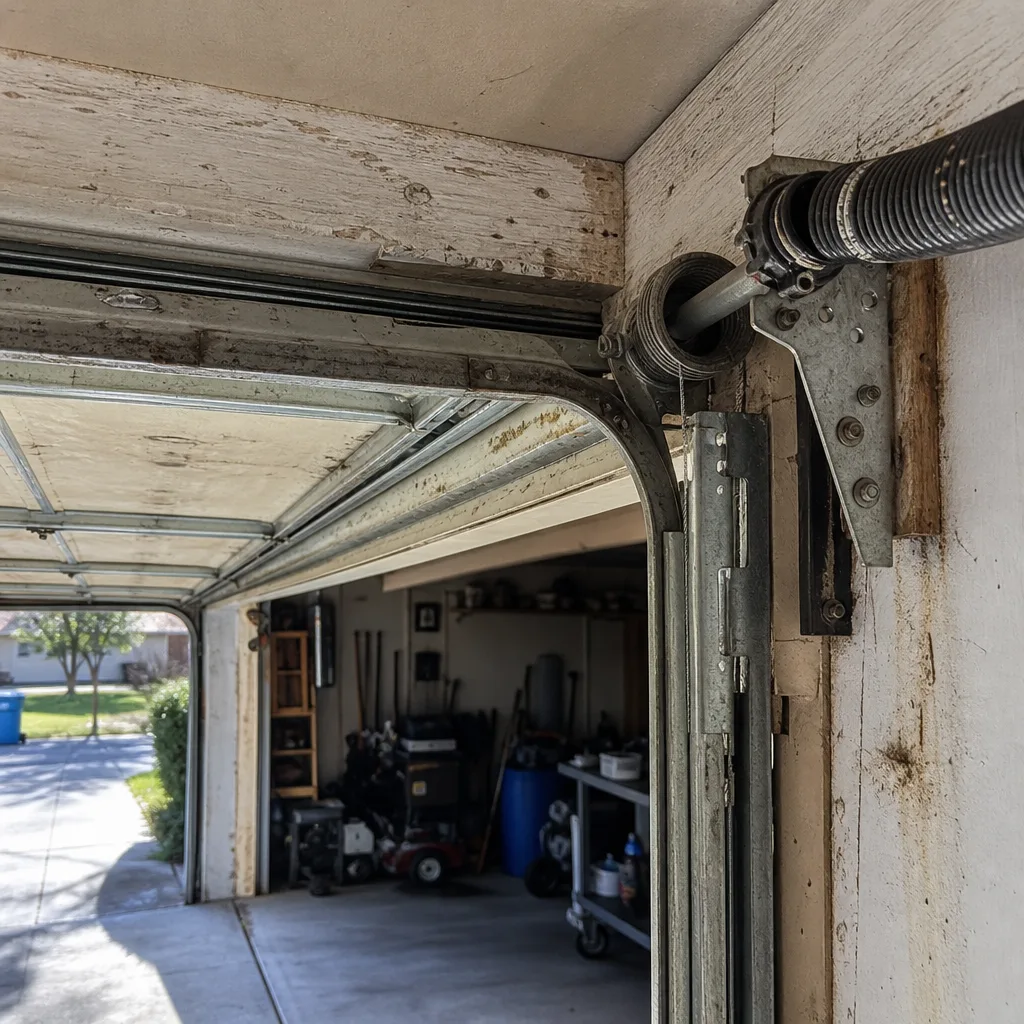 Before
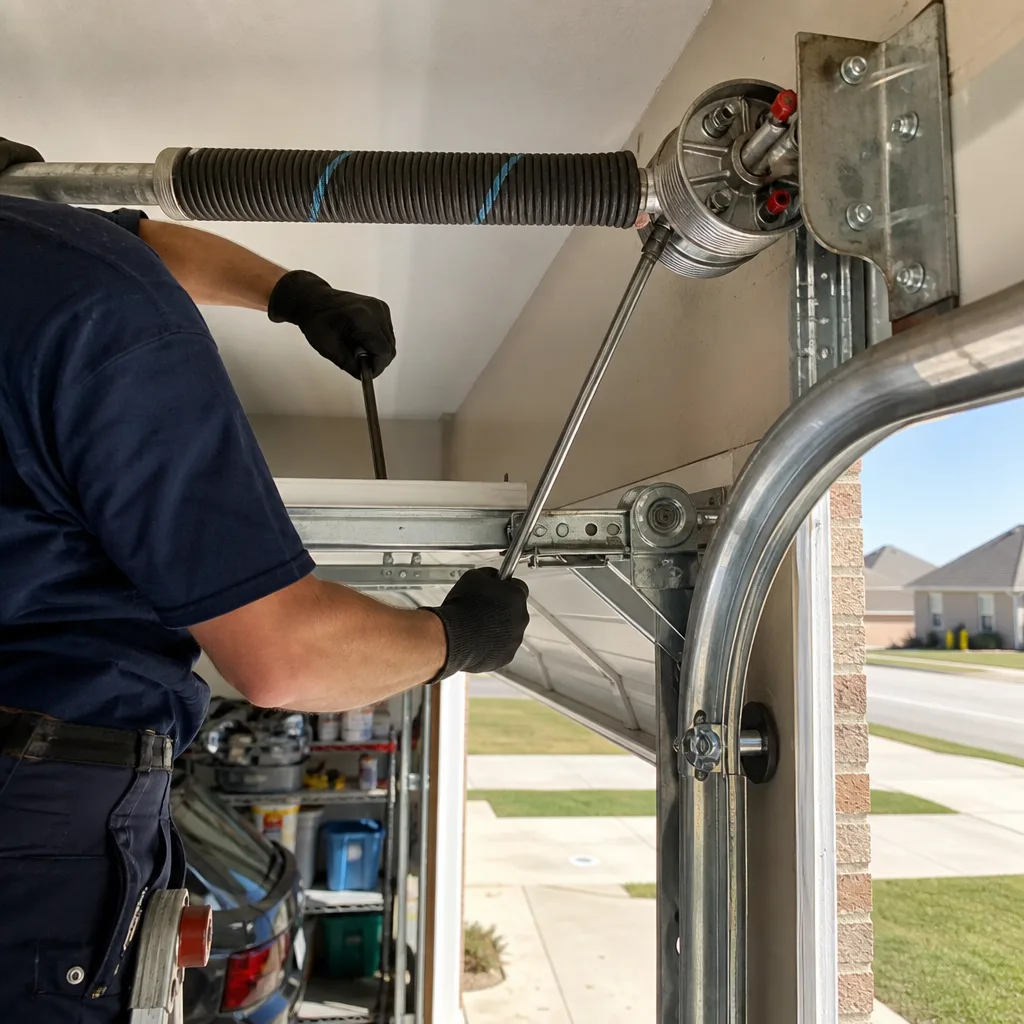 After
AfterThe Complete Guide to Garage Door in Celina
Your garage door moves more times per year than your front door moves in a decade - most Celina homeowners have never once looked at the parts doing that work. That is a problem, because a garage door is not a single thing. It is a system of springs, cables, rollers, tracks, and an opener, all under constant stress from North Texas heat, wind, and the dust that blows in off FM 455. When one part fails, it rarely fails alone. In this guide, we will walk through how each component functions, how Celina’s specific climate and soil conditions wear on them, and what to look for before a small issue becomes a safety failure or a $1,800 surprise.
Quick Answer
A well-maintained garage door system in Celina, TX should last 15-30 years depending on materials, but North Texas temperature swings and clay-heavy soil accelerate wear on springs, cables, and track alignment. Homeowners should inspect hardware twice yearly, test the auto-reverse safety feature monthly, and schedule professional maintenance annually. For new installations or replacements, Celina requires compliance with Garage Door Permits, Codes & Inspections in TX: What You Need to Know and many neighborhoods add HOA design restrictions.
Table of Contents
- How Celina’s Climate and Soil Affect Your Garage Door
- Component-by-Component Breakdown: What Each Part Does
- Warning Signs: When ‘Works Fine’ Hides a Safety Risk
- How to Read a Garage Door Quote in Celina
- Permits, Codes, and HOA Requirements in Celina
- A Practical Maintenance Schedule for Celina Homes
- Choosing a New Door: Materials, Insulation, and Style
- Garage Door Opener Guide: What Powers the System
How Celina’s Climate and Soil Affect Your Garage Door
Celina sits on the Blackland Prairie, where clay-heavy soil expands when wet and contracts dramatically during dry spells. That movement does not stay in the ground. It transfers through your foundation to your garage floor, and from there to the vertical tracks that guide your door. We have seen track alignment shift half an inch in a single season in neighborhoods like Light Farms and Mustang Lakes, where newer homes are still settling and the clay is particularly active.
The temperature range is equally punishing. A Celina garage can hit 110°F in July and drop below 25°F in January. That 80-degree swing matters for metal components:
- Torsion springs lose tension in cold and over-tighten in heat, cycling through metal fatigue faster than in moderate climates. A spring rated for 10,000 cycles in Kansas City may reach failure at 7,000 cycles here.
- Steel tracks expand and contract, loosening lag bolts into wood jambs and creating gaps where rollers bind.
- Rubber weatherstripping hardens and cracks within three to four years of direct sun exposure, far sooner than the seven-year lifespan typical in northern states.
- Garage door openers work harder in summer heat, with motor capacitors failing prematurely in uninsulated garages.
The wind is the less visible factor. Celina sits in a corridor where south winds carry fine dust from construction and agriculture along FM 455 and Preston Road. That dust infiltrates roller bearings and opener gear housings, turning lubricant into grinding paste. We replace more stripped opener gears in Celina than in our McKinney or Frisco territories, and the pattern tracks to dust exposure in garages without sealed thresholds.
For homeowners in older Celina neighborhoods like Old Celina or the original square, garage construction predates modern insulation standards. Those unconditioned spaces amplify every climate effect. If your garage faces west, afternoon sun bakes the door surface to temperatures that degrade paint and warp aluminum trim within five years.
Component-by-Component Breakdown: What Each Part Does
Understanding your garage door as a system starts with knowing what each part actually does, not just what it is called. Here is how the load path works from top to bottom.
Torsion Springs
Torsion springs are the muscle of the system. Mounted on a steel shaft above the door, they twist to store mechanical energy when the door closes, then release that energy to lift the door’s full weight when it opens. A standard 16-foot wide door in Celina weighs 150-250 pounds depending on construction. Without springs, your opener would need to be the size of a motorcycle engine.
Safety note: Torsion springs are under extreme tension. A wound spring stores enough energy to cause serious injury or death if released improperly. Never attempt to adjust, wind, or replace a torsion spring yourself. This is not a matter of having the right tools - it is a matter of years of specific training and the safety equipment to contain a sudden release.
In Celina, we regularly see spring failures spike in March and October, when temperature swings are most abrupt. A spring that was balanced at 60°F in October becomes over-torqued at 90°F the following week, accelerating metal fatigue. We stock springs for all common door weights on our trucks so we can replace them in a single visit without leaving you with a door that won’t open.
Lift Cables
Lift cables run from the bottom corners of the door to the spring drum, transferring the spring’s torque to the door itself. They are aircraft-grade steel, but they fray from abrasion against drum edges and from corrosion where they pass near concrete floors. A frayed cable does not fail gradually - it snaps under load, often dropping one side of the door suddenly.
Inspect cables monthly where they attach to the bottom bracket. If you see any unwinding strands, rust blooms, or flat spots where the cable has kinked, the cable needs replacement. We replace cables in matched pairs even if only one shows wear, because uneven cable age creates uneven lift that warps the door panel.
Rollers and Hinges
Rollers are the wheels that ride inside the vertical and horizontal tracks. Steel rollers with unsealed bearings are standard on builder-grade doors, but they require annual lubrication and still wear out in five to seven years in Celina’s dust environment. Nylon rollers with sealed ball bearings last 10-15 years and run quieter, which matters if your garage sits beneath a bedroom or living area.
Hinges connect door sections and allow the door to fold around the curved track junction. The center hinge on each panel carries a roller; the end hinges do not. Hinge bolts loosen from vibration, and worn hinge barrels let sections shift, creating binding and panel damage. We check every hinge bolt torque during our Garage Door Repair in Celina service calls.
Tracks and Hardware
Vertical tracks guide the door from closed to the curved transition; horizontal tracks carry it back to the motor. Track alignment is measured in fractions of an inch. A gap of more than 1/4 inch between roller and track edge causes the roller to climb the track lip, creating the grinding noise many homeowners mistake for an opener problem.
Track mounting brackets attach to the door jamb with lag bolts. In Celina’s shifting clay soil, these loosen over two to three years. We check bracket security and re-torque to specification as part of our $89 Seasonal Tune-Up.
Weatherstripping and Seals
The bottom seal is a flexible rubber or vinyl strip that compresses against the threshold to block water, dust, and pests. Side and top weatherstripping fills the gap between door and jamb. In Celina, we see two common failures: bottom seals that have hardened and no longer compress, creating a gap that lets in wind-driven rain during spring storms; and side seals that have pulled away from the jamb, admitting the dust that destroys rollers and openers.
The Opener
The opener does not lift the door - the springs do. The opener’s job is to manage the door’s travel and provide safety controls. A 1/2 horsepower motor is adequate for most steel doors up to 16 feet wide; heavier wood or insulated doors need 3/4 horsepower. Belt-drive openers run quieter than chain-drive, which matters in attached garages. We are factory-familiar with all major brands including LiftMaster, Chamberlain, and Genie, and we service them all.
Warning Signs: When ‘Works Fine’ Hides a Safety Risk
A door can open and close normally while being one component away from a dangerous failure. Here is how to tell the difference between cosmetic wear and imminent risk.
- Asymmetric movement. If one side of the door rises faster than the other, or if the bottom edge is not level when closed, you likely have a failing spring or frayed cable on the low side. This imbalance stresses the door panel and tracks, and it can cause the door to jump its track if the cable snaps.
- Grinding or popping during travel. A door should run with a steady motor hum and minimal mechanical noise. Grinding from the track area usually means a worn roller climbing its guide. Popping sounds from above indicate a spring coil separating or a winding cone slipping on the shaft.
- Visible cable fraying or rust. Any unwound strand is a warning. We have responded to emergency calls in Celina where a homeowner noticed fraying “a few weeks ago” and the cable snapped while they were pulling into the garage.
- Door reverses before hitting the floor. This indicates a travel limit or force setting problem, but it can also mean a broken spring that the opener is detecting as excess resistance. Do not simply increase the force setting - that overrides the safety system.
- Slow or hesitant opening. If the opener strains or the door moves slowly, the springs are likely weakened. The opener is doing work it was never designed for, which burns out the motor and strips gears.
- Gap at the bottom when closed. A failed bottom seal lets in water and pests, but it also indicates possible track misalignment or door panel warping that has thrown off the closure geometry.
The auto-reverse test takes thirty seconds and should be done monthly. Place a 2×4 flat on the floor where the door closes. The door should reverse within two seconds of contact. If it does not, the force setting or safety sensor alignment needs professional attention. This is not a DIY adjustment - improper force settings are how garage doors injure children and pets.
How to Read a Garage Door Quote in Celina
Not every quote reflects the same scope of work. Here is what to look for, line by line, and what missing items reveal about the contractor.
Non-Negotiable Line Items
- Spring replacement: Should specify wire size, inside diameter, and wind direction (left or right wound). Generic “replace springs” without specifications means the contractor plans to use whatever is on the truck.
- Cable replacement: Should state aircraft-grade galvanized cable, 7×19 construction, with proper drum matching. Cables should be replaced in pairs.
- Spring containment: A torsion tube with winding cones and cable drums. If the quote does not mention inspecting these, the contractor may be reusing worn hardware that will damage new springs.
- Labor warranty: Should be stated in writing, with duration and what it covers. Our 90-Day Done Right Promise covers all labor and parts with no dispute process - if it is not right, we return.
Red Flags in Quotes
- Per-spring pricing that seems to encourage replacing only one spring. Springs are a matched set; uneven age creates imbalance.
- No mention of safety inspection or balance testing after installation. A door that is not properly balanced will destroy the new springs and the opener.
- Vague opener “service” without specifying what is included. We itemize gear inspection, force testing, travel limit verification, and safety sensor alignment.
- No permit line item for new installations. In Celina, permits are required for new door installations and some replacements. A contractor who skips permits saves money at your risk.
What a Fair Quote Looks Like
Here is a typical range for common Celina services based on our Garage Door Cost Breakdown: The Celina Homeowner’s Reference for 2026 pricing:
| Service | Typical Range | What Affects Price |
|---|---|---|
| Spring replacement (pair) | $280-$420 | Door weight, spring cycle rating, single vs. double spring |
| Cable replacement (pair) | $160-$240 | Door height, drum type, bottom bracket condition |
| Roller upgrade (full set, 10-12 rollers) | $180-$320 | Steel vs. nylon, sealed bearing vs. standard |
| Opener repair | $150-$350 | Gear replacement, circuit board, rail assembly |
| New door installation (16×7, steel, insulated) | $1,400-$2,800 | Insulation R-value, window inserts, hardware grade |
| Opener replacement (belt drive, 3/4 HP) | $550-$850 | WiFi capability, battery backup, rail length |
The price is quoted and agreed before any work begins. That is how we operate, and it is what you should demand from any contractor.
Permits, Codes, and HOA Requirements in Celina
Celina’s building department requires permits for new garage door installations and for replacements that alter the opening size or structural framing. A straight replacement of an existing door in the same opening typically does not require a permit, but we verify this on every job because Celina’s code interpretations have tightened in recent years with rapid growth.
The city follows the 2021 International Residential Code with local amendments. Relevant requirements include:
- Wind load rating: Celina is in a 115 mph wind zone. Doors must meet or exceed this rating, which is standard for Clopay and Amarr doors sold through professional dealers but not always for discount online purchases.
- Pressure-treated wood framing required for jamb attachment in new construction.
- Garage-to-house fire separation: if your garage shares a wall with living space, the door and its hardware must maintain the fire rating. This affects insulation and window placement.
HOA restrictions are equally important in Celina’s master-planned communities. Light Farms, Mustang Lakes, and the new developments along Preston Road typically require:
- Color matching to an approved palette, often limiting white, almond, or specific earth tones
- Window style restrictions - some ban windows entirely; others require divided-light patterns
- Material requirements - some mandate wood or faux-wood overlay; others prohibit them
- Architectural review with 30-day lead time before installation
We handle permit applications as part of our Garage Door Installation in Celina service, and we work with HOA managers regularly to ensure specifications are met before we order. A door that arrives and fails HOA review is an expense no homeowner should absorb.
A Practical Maintenance Schedule for Celina Homes
Preventive maintenance in Celina’s climate is not optional - it is how you avoid the emergency call that comes at 6 AM when you are trying to leave for work. Here is what we recommend, based on what we see fail and when.
Monthly
- Auto-reverse test with a 2×4 board
- Visual cable inspection for fraying or rust
- Listen for new noises during opening and closing
Seasonally (Spring and Fall)
- Lubricate rollers, hinges, and spring coils with silicone-based spray. Do not use WD-40 - it attracts dust and gums up in heat.
- Check and tighten track mounting bolts
- Inspect weatherstripping for cracks or detachment
- Clear track interior of debris and dust buildup
Annually
Schedule professional maintenance. Our $89 Seasonal Tune-Up includes spring tension verification, full hardware torque check, opener force and limit testing, safety sensor alignment, and written condition report. In Celina’s climate, this annual service typically extends system life by 30-40% and catches the failures that would otherwise become emergency calls.
Choosing a New Door: Materials, Insulation, and Style
If you are replacing a door or building new, the choices matter more than aesthetics. Here is how the options break down for Celina’s conditions, including whether DIY vs Professional Garage Door: The Celina Homeowner’s Decision Guide fits your situation.
Steel Doors
Steel is the standard for good reason: it resists denting, holds paint well, and costs less than wood. For Celina, we recommend 24-gauge or thicker steel with at least an R-6 insulation value. Uninsulated steel doors sweat in humid months and transfer heat into attached garages, forcing your home’s AC to work harder. In west-facing garages, we have measured uninsulated steel door surface temperatures above 140°F in July.
Wood and Composite Doors
Wood offers unmatched appearance and works well for historic-style homes in Old Celina. It requires staining or painting every three to four years in this sun exposure, and it is heavier - requiring heavier springs and a larger opener. Composite doors (wood fiber in resin) offer similar appearance with less maintenance but at higher cost.
Aluminum and Glass Doors
Full-view aluminum doors with glass panels are popular in modern Celina builds, particularly in newer estates. They are lightweight and corrosion-resistant but poor insulators. If your garage is conditioned or attached, specify insulated glass with low-E coating.
Insulation: What R-Value Means
R-value measures thermal resistance. For a Celina garage that shares a wall with living space, R-12 or higher is worth the upgrade. For detached garages used only for parking, R-6 is adequate. Polyurethane foam injection provides higher R-value than polystyrene panels in the same thickness, and it bonds to the steel skin for added rigidity.
We install Clopay and other major brands, and we help homeowners match door specifications to their actual use - not just the highest-margin option.
Garage Door Opener Guide: What Powers the System
The opener is the brain, not the muscle. Understanding its role helps you choose wisely and spot problems early.
Drive Types
- Chain drive: Reliable, economical, loud. Best for detached garages where noise does not matter.
- Belt drive: Quiet, smooth, slightly more expensive. Our recommendation for any attached garage in Celina, especially with bedrooms above.
- Screw drive: Fewer moving parts, but sensitive to temperature swings. We see more service calls for screw drives in Celina’s climate than for belt or chain.
Motor Power
1/2 HP handles steel doors up to 16 feet wide in normal condition. 3/4 HP is needed for heavier doors, high-cycle use (more than 4 cycles daily), or doors with degraded springs where the motor compensates. We assess spring condition before recommending opener size - a properly sprung door needs less motor than an imbalanced one.
Safety Features
All openers manufactured since 1993 include photo-eye sensors that reverse the door if the beam is interrupted. Since 2018, federal law requires entrapment protection and force limitation testing. We verify these functions on every service call. If your opener predates 1993, replacement is not just an upgrade - it is a safety necessity.
Modern openers add WiFi connectivity for smartphone monitoring and battery backup for operation during outages. In Celina, where spring storms can knock out power, battery backup is worth considering for households with medical needs or where the garage is the primary entry point.
For opener repair or replacement, our Garage Door Opener in Celina page details our full service scope.
Common Mistakes to Avoid
- Ignoring a slow door. A door that takes longer to open is not “getting old” - it is a spring or opener failure in progress. The longer you wait, the more components you damage.
- Adjusting force settings yourself. Turning up the opener force to compensate for weak springs overrides the safety system and risks crushing anything in the door’s path.
- Buying a door online without local support. Discount doors often lack proper wind rating for Celina, and installation without a local warranty means driving to Dallas for service or paying travel fees.
- Replacing only one spring. Uneven spring age creates door imbalance, warps panels, and burns out openers. We replace springs in matched pairs, period.
- Skipping the HOA review. In Celina’s planned communities, installing a non-approved door means tearing it out at your expense. We verify approval before we order.
- Using the wrong lubricant. WD-40 and grease attract dust that destroys rollers and gears in Celina’s environment. Silicone spray only.
- Neglecting the annual tune-up. The $89 Seasonal Tune-Up catches the failures that become $400 emergency calls, and it extends system life by years.
When to Call a Professional
Call a trained technician for any spring or cable work, any opener problem involving safety systems, any door that has jumped its track, and any installation requiring permit compliance. These are not projects for weekend attention - they are genuinely dangerous, and the cost of a mistake far exceeds the cost of professional service.
Mainspring Garage Door Co. offers free estimates in Celina. We arrive with the parts to complete most repairs in a single visit, we state the flat price before any work begins, and every job carries our 90-Day Done Right Promise in writing. Call (214) 480-4855 to schedule.
Frequently Asked Questions
Spring replacement in Celina typically runs $280-$420 for a matched pair, depending on door weight and spring cycle rating. We quote the exact price before starting work, and our $50 Off Any Repair Over $250 offer applies. Call (214) 480-4855 for a free estimate.
Most repairs are completed same-day because our trucks carry springs, cables, rollers, and openers for all common door sizes. Emergency response is available 24/7 with a live person answering every call. For new installations, we schedule a free measure and provide a written quote.
No. We state the flat price before any work begins. If we discover additional issues during inspection, we explain them and quote separately before proceeding. There are no surprises on the bill.
Yes. Our trucks are stocked with torsion springs, extension springs, cables, rollers, hinges, weatherstripping, and openers from major brands. This is why most Celina repairs are completed in a single visit without waiting for parts.
Annual professional maintenance is recommended given Celina’s temperature extremes and dust exposure. Our $89 Seasonal Tune-Up includes full inspection, lubrication, hardware torque check, and safety testing. Monthly auto-reverse tests and seasonal visual inspections by the homeowner supplement professional service.
A straight replacement in the same opening typically does not require a permit, but new installations and any modification to the opening size or framing do. We verify permit requirements for every job and handle applications as part of our installation service. Many Celina HOAs also require architectural review before installation.
The Bottom Line
A garage door in Celina is a system under constant stress from clay soil movement, extreme temperature swings, and wind-borne dust. Understanding how springs, cables, rollers, tracks, and openers work together lets you spot problems before they become dangerous failures or expensive surprises. Regular inspection, proper maintenance with the right materials, and working with a contractor who knows local codes and conditions are what separate a door that lasts from one that fails at the worst moment. Get a written quote before work starts. Verify permits and HOA compliance for new installations. And do not attempt spring or cable work yourself - the risk is real, and the cost of a mistake is not worth saving a service call.
Ready to have your door assessed? Mainspring Garage Door Co. serves Celina with 42 years of trade experience, trucks stocked for same-day completion, and a 90-Day Done Right Promise on every job. Call (214) 480-4855 for a free estimate.
Written by Carl Dutton, Owner at Mainspring Garage Door Co., serving Celina since 2016.